



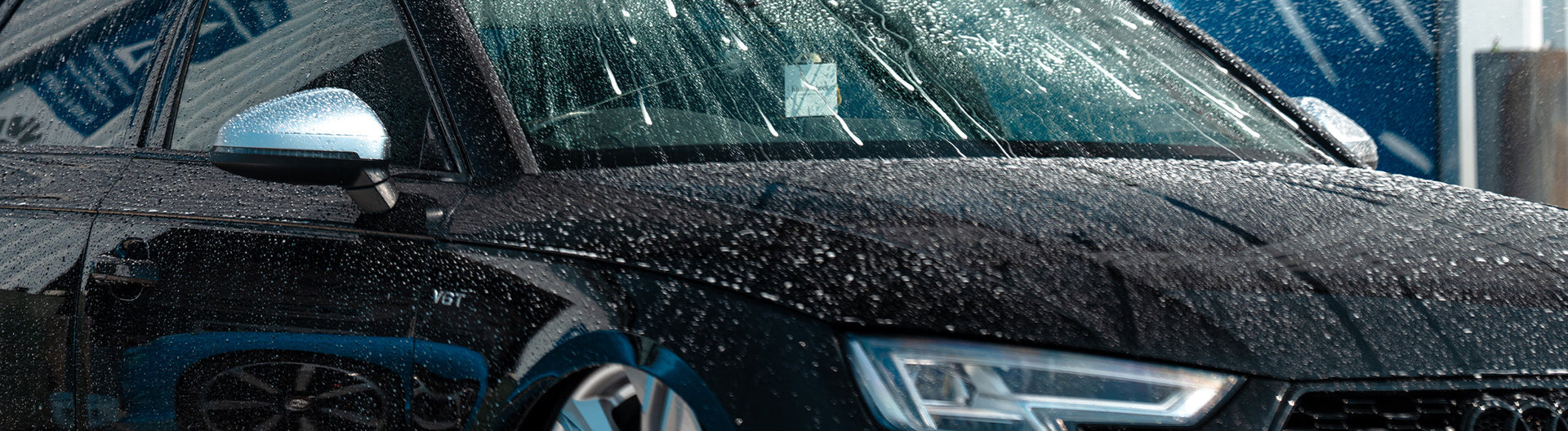
What Is Car Detailing?
Exterior, interior, protection and polishing — everything you need to know to get started.
Car detailing is a deep, methodical clean that restores and protects a vehicle inside and out. A car wash removes surface dirt. Detailing goes further — decontaminating the paint, correcting imperfections, and sealing the finish so it stays looking good for months rather than days.
Below, we break down each stage, what it actually does, and what you need to get started — whether you're detailing your own car on the driveway or working towards professional results.
Exterior Detailing
Exterior detailing is where most people start. It is a meticulous process focusing on cleaning, restoring, and protecting a vehicle's outside surfaces. This goes far beyond a simple car wash, involving a series of specialised techniques and high-quality products designed to bring out the best in your car's appearance and provide long-lasting protection.
The exterior of a vehicle is constantly exposed to dirt, dust, road grime, tar, bird droppings, tree sap, and harmful UV rays. Over time, these contaminants dull the paint, cause scratches, and degrade the overall look of the car. Exterior detailing addresses this by thoroughly cleaning the vehicle, removing embedded contaminants, correcting imperfections, and applying protective coatings so the finish is sealed in and lasts.
Here's a step-by-step breakdown of what that involves.
Washing and Drying
Detailing starts with a thorough pre-wash to remove loose dirt and grime. At Duel Autocare, we recommend using our pre-wash and degreaser, Nitty Gritty, first, followed by a layer of snow foam. This stage is critical to remove as much surface dirt as possible before making physical contact with a dedicated car shampoo and microfibre wash mitt.
A dedicated snow foam lance is essential for the snow foam stage. It creates a thick foam layer that clings to the surface, softening and lifting away dirt without causing scratches. A careful rinse with a pressure washer follows.
Once the pre-wash stage is complete, you can safely move on to the contact wash. Even so, there may still be fine surface grime remaining, so the right method matters. We recommend a dedicated car shampoo like Bahama Blue. To learn why this is important, read our guide, Can I Use Shampoo To Wash My Car?
In addition to the correct shampoo, proper wash methods and tools are essential. We recommend the two-bucket wash method and a good-quality microfibre wash mitt.
Decontamination
Even after washing, contaminants like tar, tree sap, and industrial fallout can remain on the paintwork. This is where decontamination comes in. There are two types: chemical and mechanical.
Chemical decontamination uses tar remover and iron fallout remover, whereas mechanical decontamination is achieved using a clay bar or clay mitt. A clay bar is made from a synthetic resin or natural clay material, and lifts contaminants from paint, glass and metal that washing and chemicals alone cannot remove.
We always start with the chemicals first. The principle is to begin with the least aggressive method and work upwards until you achieve the result, rather than a heavy-handed approach that risks damage. For the full process, read our guide on how to decontaminate your car.
Shop the Duel Decontamination Kit →Polishing
Polishing is the step many people picture when they think of detailing, but it's only one part of a larger process. Vehicle polishing is where minor imperfections like swirl marks and scratches are removed. The process uses a powered polishing machine with various pads and compounds, which remove layers of the hard clear coat until one smooth layer is achieved. The result is a super smooth, glossy finish.
There are generally two types of machine polisher:
A powerful machine that spins a single pad in a circular motion. It effectively removes deep imperfections but requires skill to avoid creating new swirls or burning the paint.
Also known as an orbital polisher, this moves the pad in both a circular and oscillating motion, making it safer and more accessible for beginners. It handles most detailing tasks and is far less likely to cause damage if you are less experienced.
Protection
Once the paint is polished, it's time to protect the finish. Detailers use various protection products to maintain and enhance a vehicle's surfaces, including paint, glass, wheels and interiors. Which you choose comes down to budget, expectation and requirements. These products protect against environmental damage, UV rays, dirt and contaminants.
Natural and synthetic waxes provide warm, glossy finishes with shorter durability. The more durable waxes are often a blend of both, such as our Element Hybrid Wax, which contains four different types of wax plus synthetic material to provide both depth of shine and durability.
Natural waxes like carnauba provide a deep, warm gloss and excellent water beading, typically lasting a few weeks to a couple of months. Synthetic waxes, usually made from polymers or acrylics, provide longer-lasting protection of up to six months and are easier to apply.
Silicon dioxide (SiO2) based coatings offer superior protection, often lasting one to three years or more. They provide a hard, glossy, hydrophobic layer that resists scratches, UV damage and contaminants.
A ceramic coating is a liquid polymer applied to a vehicle's exterior. When cured, it forms a hard protective layer that bonds with the factory clear coat. It enhances gloss and makes the car easier to clean, as water and dirt bead and slide off.
Graphene coatings are a newer technology similar to ceramic coatings. Research is still limited, and they have yet to take off in the UK market as expected — largely because the differences between ceramic and graphene coatings aren't well understood.
Spray sealants are designed to be easy to apply while still providing a durable layer of protection and shine. Two examples from Duel Autocare are Flex Polymer Sealant and Oxide Hybrid Detailer.
Sealants like these suit users who aren't confident applying something more permanent like a ceramic coating, or who want something quicker than a wax. Professional detailers also use them when working to a customer's budget and expectations. Both products give around eight weeks of durability per application, require minimal effort, and still deliver excellent results.
You may occasionally see products labelled 'ceramic detailers'. More often than not this is marketing terminology aimed at enthusiasts who want a ceramic coating but don't have the skills or budget to match. These products may offer some ceramic-like protection short term, but they are not a ceramic coating. A true ceramic coating cures to a measurable hardness, tested with a pencil hardness test — most high-quality coatings measure 9H.
Browse our sealants and waxes.
"Nice and easy to use which is what I want. I'm not a detailer and just want something quick and easy to use. Flex ticks the boxes and performs well with good beading and a nice shine."
Wayne JenkinsOften known as PPF, this is a transparent polyurethane film applied to a vehicle's exterior to protect against physical damage. It is typically installed on high-impact areas such as the front bumper, bonnet, mirrors and door edges, though it can be applied to the entire vehicle.
PPF absorbs the impact of small stones, road debris and insects that cause scratches and chips. Some films are self-healing, meaning minor scratches disappear when exposed to heat. PPF is more a protection product than a finish enhancer — ceramic coatings provide both, though not to the same protective standard.
Installation is typically carried out by trained professionals and is not recommended for home users. Brands such as Xpel and Suntek manufacture the film. The process involves preparing the surfaces, precisely cutting the film to fit each panel using a plotting machine, and applying it with specialised tools for a smooth, seamless finish.
Glass and Alloy Wheel Sealants and Coatings
Protective coatings don't stop at the paintwork. Specific coatings and sealants are also designed for glass and alloy wheels.
Glass coatings provide long-lasting hydrophobic and oleophobic properties, making glass easier to clean and improving clarity. Unlike paint coatings, these are formulated specifically for glass. Follow the manufacturer's instructions carefully and make sure the surface is properly cleaned and prepared beforehand. Professional installation gives the best results, but enthusiasts can apply these at home.
Alloy wheel protection is a coating applied to the surface of alloy wheels to enhance appearance and durability. It bonds with the wheel surface, creating a hydrophobic barrier that resists water, dirt, road grime and brake dust, helping prevent staining and corrosion.
These coatings also resist brake dust build-up, making wheels far easier to clean and reducing how often they need attention. A good quality coating adds scratch and swirl resistance, protecting against minor abrasions from road grime and cleaning tools. High-quality wheel coatings are formulated to withstand the high temperatures generated during braking without degrading or peeling.
The final step in exterior detailing is dressing the trims and tyres. A product like Profile Tyre & Trim Dressing revives faded plastic trims, and applying the same product to your tyres gives them a rich finish. It's the icing on the cake.
Interior Detailing
Detailing isn't only about the exterior — the interior matters just as much. It's about creating a clean and comfortable driving environment, and to the detailer it's every bit as important as any exterior process. Here's what it involves.
Start by vacuuming the seats, carpets, mats and other surfaces to remove loose dirt and debris. There are many professional vacuum machines on the market, though domestic machines are more than capable.
All interior surfaces, including the dashboard, door panels and centre console, should be cleaned. Logic Interior All-Purpose Cleaner removes dirt and grime without residue — safe on leather, carpet, plastic and rubber. Browse our full interior cleaning range.
Clean the interior windows and mirrors with Optical Glass Cleaner for a streak-free finish, improving visibility and overall look. Cleaning the windscreen regularly is essential for safe visibility.
So why is it important?
Regular detailing offers several benefits that go beyond just having a clean car:
-
Preserves vehicle value. Detailed maintenance helps maintain and enhance your car's resale value.
-
Protects against wear and tear. Detailing adds a layer of protection to interior and exterior surfaces, prolonging their lifespan.
-
Improves appearance. A well-detailed car looks newer and more attractive.
-
Enhances driving comfort. A clean, fresh interior makes driving more enjoyable.
-
Environmental protection. Protective coatings shield your car from UV rays, acid rain and pollution.
Conclusion
Car detailing is essential for maintaining your vehicle's appearance and value. It also gives the owner a real sense of pride when their car is meticulously maintained — results often described as better than when it left the showroom. Whether you opt for professional services or prefer the DIY route, using high-quality products ensures outstanding results.
If you've found this guide useful, why not take a look at our other guides?
Ready to Start Detailing?
Professional-grade products for every stage — wash, decontaminate, polish, protect. Made in Britain.